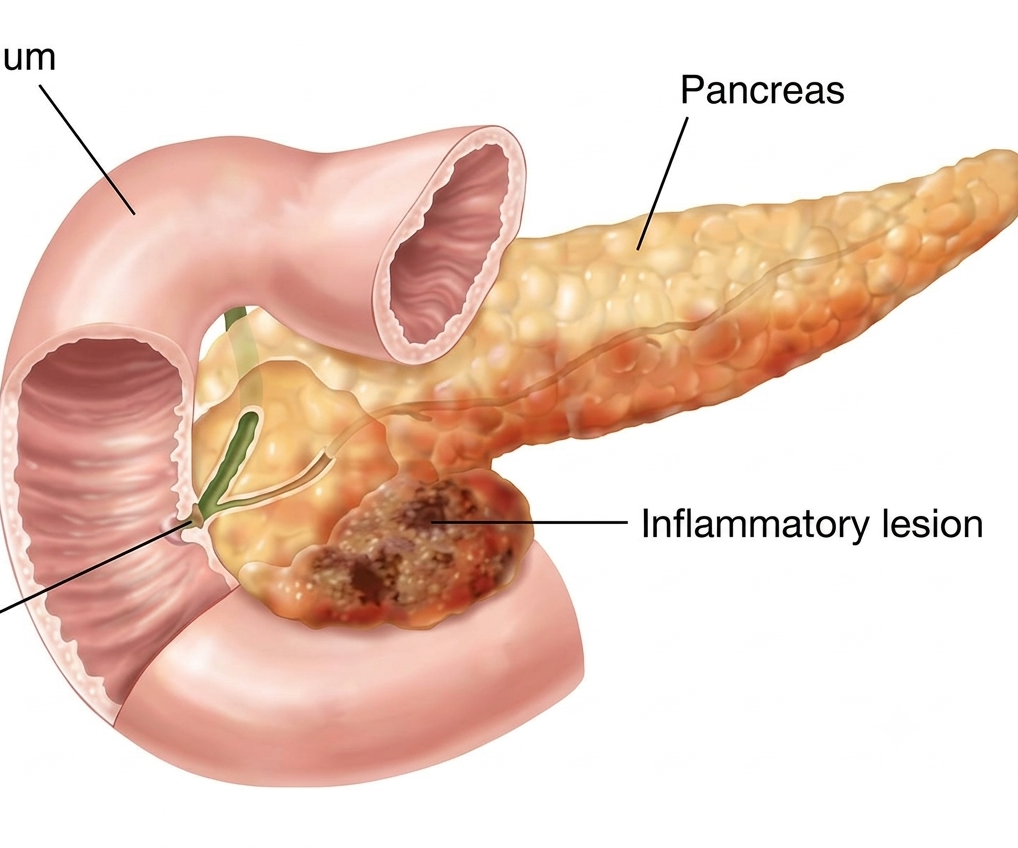
Being told that an abnormality has been found in the pancreas can create immediate concern, particularly when surgery is mentioned. Yet pancreatic disorders include many different conditions, and only some require an operation.
Minimally Invasive Pancreas Surgery for Digestive System Disorders may be considered for selected pancreatic conditions after detailed diagnostic and surgical evaluation. It can involve laparoscopic or other minimally invasive approaches that allow certain operations to be performed through smaller incisions.
For patients in Belapur, Navi Mumbai, the key issue is not whether minimally invasive surgery is available, but whether it is appropriate for the specific pancreatic condition.
Which Conditions May Require Pancreatic Surgery?
Surgical evaluation can be required for selected pancreatic tumours, cystic lesions, complications of chronic pancreatitis and other structural abnormalities.
However, the diagnosis, location of the disease and relationship to nearby structures strongly influence treatment.
A lesion in the pancreatic tail may require a different operation from one involving the pancreatic head. Some cystic lesions can be monitored rather than removed, depending on their size, appearance, symptoms and other risk characteristics.
What Makes a Minimally Invasive Approach Suitable?
Several factors may influence whether laparoscopic or another minimally invasive technique can be considered:
- Exact location of the pancreatic abnormality
- Size and characteristics of the lesion
- Relationship to major blood vessels
- Whether malignancy is suspected or confirmed
- Previous abdominal operations
- Patient fitness for major surgery
- Complexity of the required reconstruction
Small incisions alone do not make an operation less complex internally. Pancreatic surgery still requires careful planning because of the organ's anatomical relationships and its digestive functions.
What Should a Patient Know Before Proceeding?
A comprehensive consultation should clarify the diagnosis, proposed operation, alternatives, expected hospital course and major potential complications.
Depending on the procedure, risks can include bleeding, infection, delayed stomach emptying, pancreatic fluid leakage and other postoperative problems. The specific risk profile varies according to the operation and individual patient.
Patients with suspected pancreatic cancer may also need multidisciplinary assessment to determine the appropriate sequence of surgery and other treatment.
Dr Mayur Porwal can review pancreatic imaging and clinical findings to assess whether surgical management is indicated and whether a minimally invasive approach is technically appropriate.
For people in Belapur and elsewhere in Maharashtra, readiness for pancreatic surgery should be based on more than the availability of advanced surgical technology. A confirmed diagnosis, appropriate staging where required, careful preoperative assessment and a clear understanding of the planned procedure are the factors that support an informed surgical decision.
Keywords